The 2026 Semiconductor Crisis: How AI Made Hardware Expensive Again
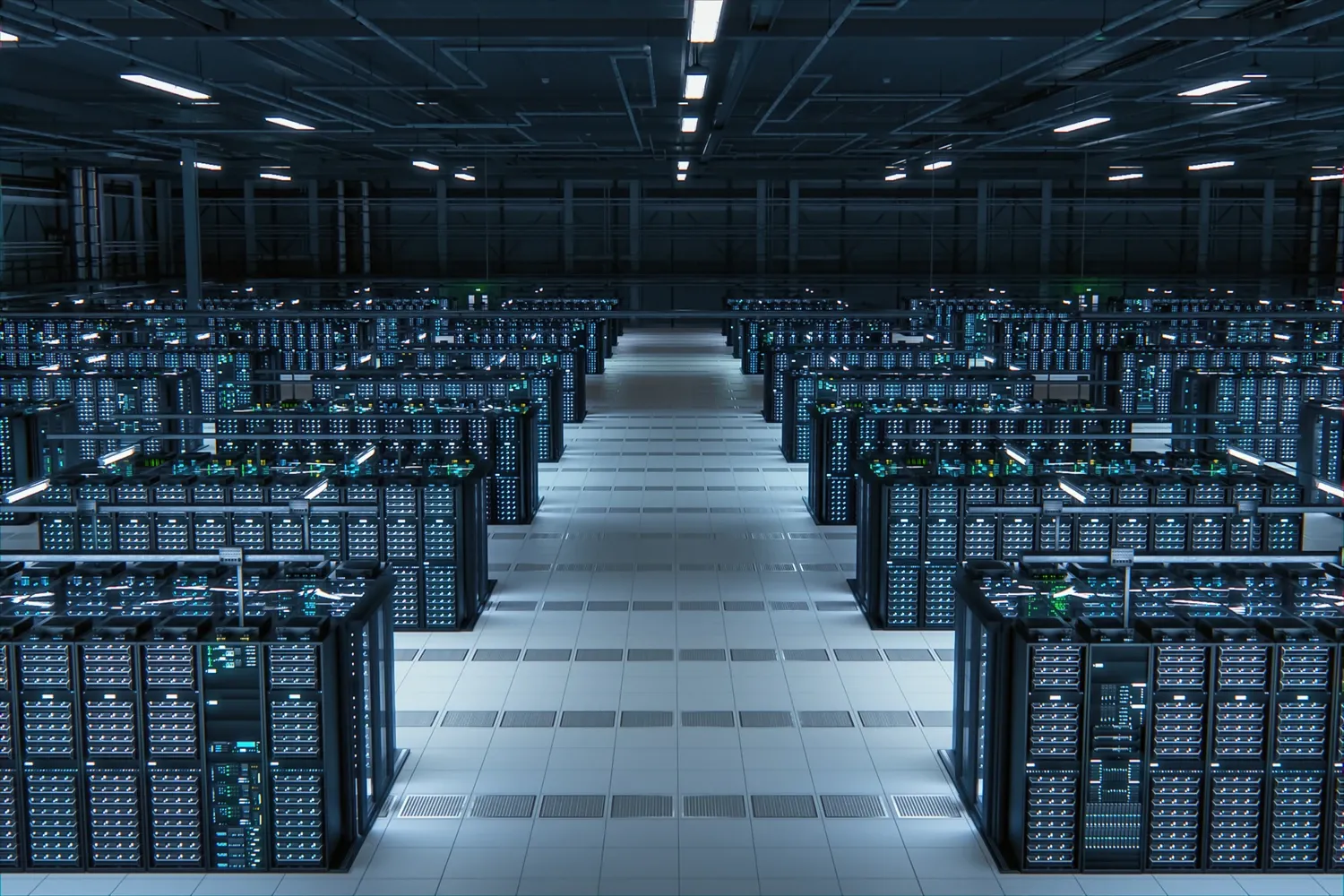
In 2026, the world is once again facing a shortage of computer hardware. This time, however, the cause is not wars, logistics, or factory shutdowns. The main driver is the rapid growth of artificial intelligence. Large AI data centers are massively buying memory, processors, and storage, making consumer hardware more expensive and less accessible.
1. Why Artificial Intelligence Broke the Market
Modern AI systems require enormous amounts of memory and extremely high bandwidth.
Fact: a single large AI data center can consume as many memory chips as thousands of home computers once did.
Result: manufacturers prioritize server-grade components and AI accelerators because they are far more profitable than consumer products.
2. Why the Shortage Is So Deep and Long-Lasting
HBM memory used in AI systems is far more complex to manufacture than standard DRAM and consumes several times more silicon wafer capacity.
The situation was worsened by decisions made in 2023–2024, when manufacturers cut production and investments during a market downturn.
Building new semiconductor factories takes years, making a quick increase in supply physically impossible.
3. What Exactly Is in Short Supply
System memory: DDR5 prices have increased several times, while DDR4 is gradually disappearing from production.
SSD storage: high-capacity NVMe SSDs in 2026 are now more expensive by weight than gold.
Hard drives: due to extreme SSD prices, companies are returning to HDDs, causing shortages and rising prices there as well.
4. GPUs, Smartphones, and PCs — The Domino Effect
Memory shortages directly limit GPU production, especially for consumer graphics cards.
Smartphones and laptops are becoming more expensive or are released with less memory.
Even cloud providers are facing hardware constraints and gradually raising prices.
5. How Consumers Feel the Impact
New laptops and PCs cost significantly more than expected.
Base configurations increasingly ship with 8–12 GB of RAM instead of 16.
PC upgrades and new GPUs are delayed or require much higher budgets.
6. When Things Might Improve
In 2026–2027, price relief is unlikely — AI demand continues to grow.
Meaningful stabilization is expected closer to 2028, when new factories reach full capacity.
Conclusion
The 2026 semiconductor crisis is not a temporary disruption but a consequence of technological progress. Artificial intelligence requires massive hardware resources, and consumers are temporarily paying the price. When planning hardware purchases or upgrades, it is important to account for this reality and not expect quick price drops.